← Back to Corydoras
freshwaterCorydoras
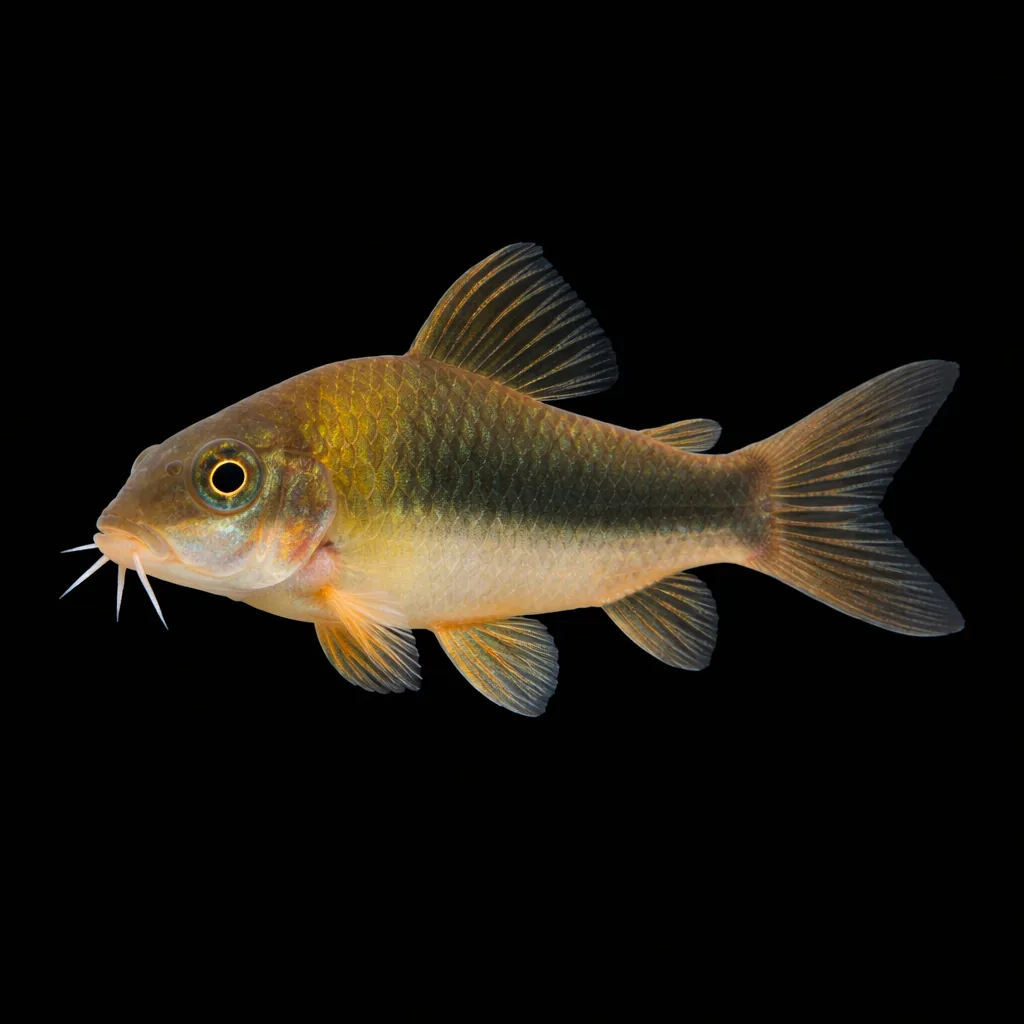
Corydoras aeneus
Also known as: Bronze Cory, Bronze Corydoras, Green Cory
BeginnerPeacefulOmnivore
About
The bronze cory is one of the most widely kept Corydoras, with tank-bred lines available in green and albino forms. Wild fish occur across much of northern South America. They sift sand for insect larvae and organic debris; smooth substrate is essential to protect barbels. Keep in groups of at least six—social stress appears when kept in pairs or trios. Hardy and adaptable within tropical parameters; occasional surface gulping is normal (intestinal air breathing). Egg scatterers that glue eggs to glass, plants, or broad leaves.
Feeding & Diet
Sinking wafers or pellets; frozen bloodworm, tubifex, or brine shrimp; occasional vegetable-based tabs.
Frequency: 1–2× daily
Feed after lights-out or target feed so mid-water fish do not steal all food.
Habitat
Native Region: South America (widespread—Trinidad to Argentina in suitable habitats)
Slow streams, pools, and flooded zones with soft substrate and vegetation.
Sand or very smooth fine gravel; gentle flow; driftwood and plants; footprint matters more than height.
Behavior
Activity Level: Moderate
Schooling Size: 6+ recommended
Constant bottom activity; rests in groups; do not combine with sharp substrate or aggressive bottom fish.
Breeding
Difficulty: Moderate
Type: Egg scatterer
Sexual Dimorphism: Females broader and deeper-bodied when mature; males often slightly smaller.
Cool water change can trigger spawning; eggs on glass and plants; adults may eat eggs—separate if raising fry.
Tank Setup
Substrate: Sand
Plant Safe: Yes
Open sand runways for foraging; caves optional.
Your tanks
Add this species to a saved tank stocking list.
Care Requirements
Family
Callichthyidae
Genus
Corydoras
Maximum Size
7 cm
Minimum Tank Size
75 liters
Temperature
22-29°C
pH Range
5.8-7.7
Tank Region
Bottom
Lifespan
5–10 years
Growth Rate
Moderate
Min Group Size
6+ fish
Activity Level
Moderate
Breeding Difficulty
Moderate
Breeding Type
Egg scatterer
Native Region
South America (widespread—Trinidad to Argentina in suitable habitats)
Substrate
Sand
Plant Safe
Yes
Good Tank Mates for Bronze Corydoras
These species are known to coexist peacefully and share compatible water conditions.
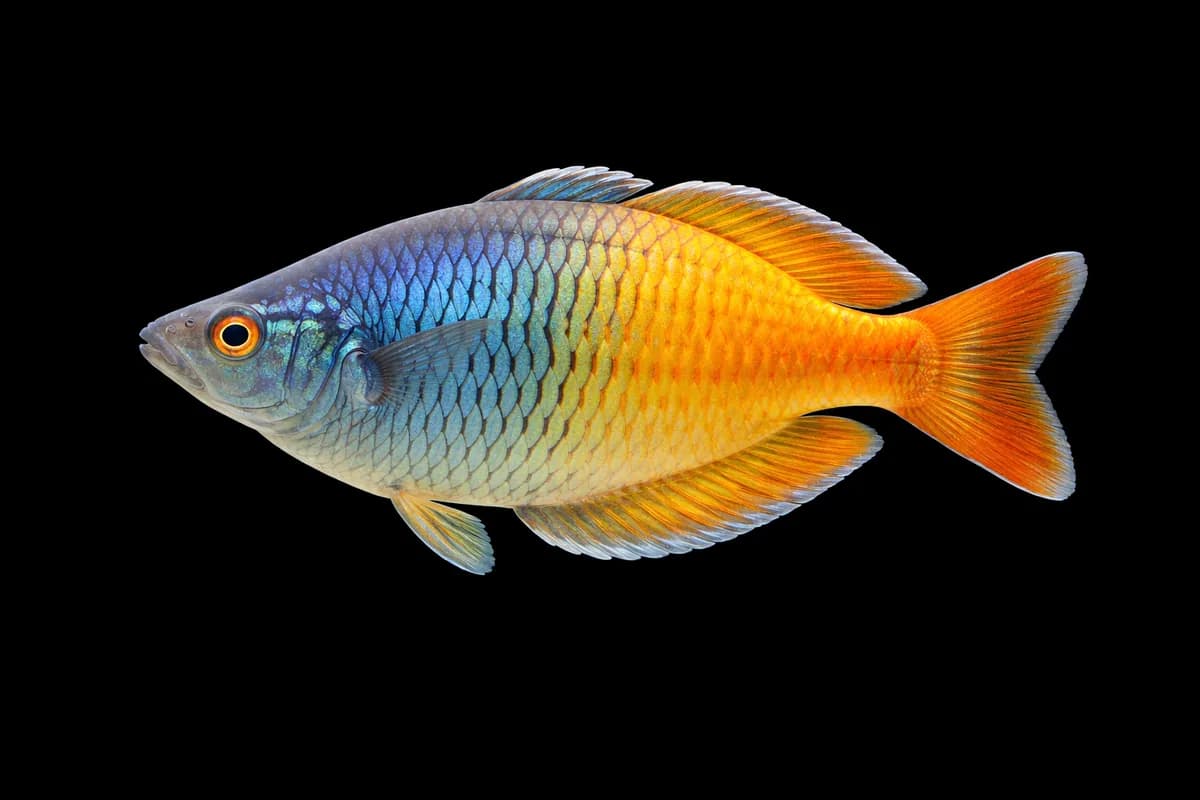
Boesemani Rainbowfish
Melanotaenia boesemani
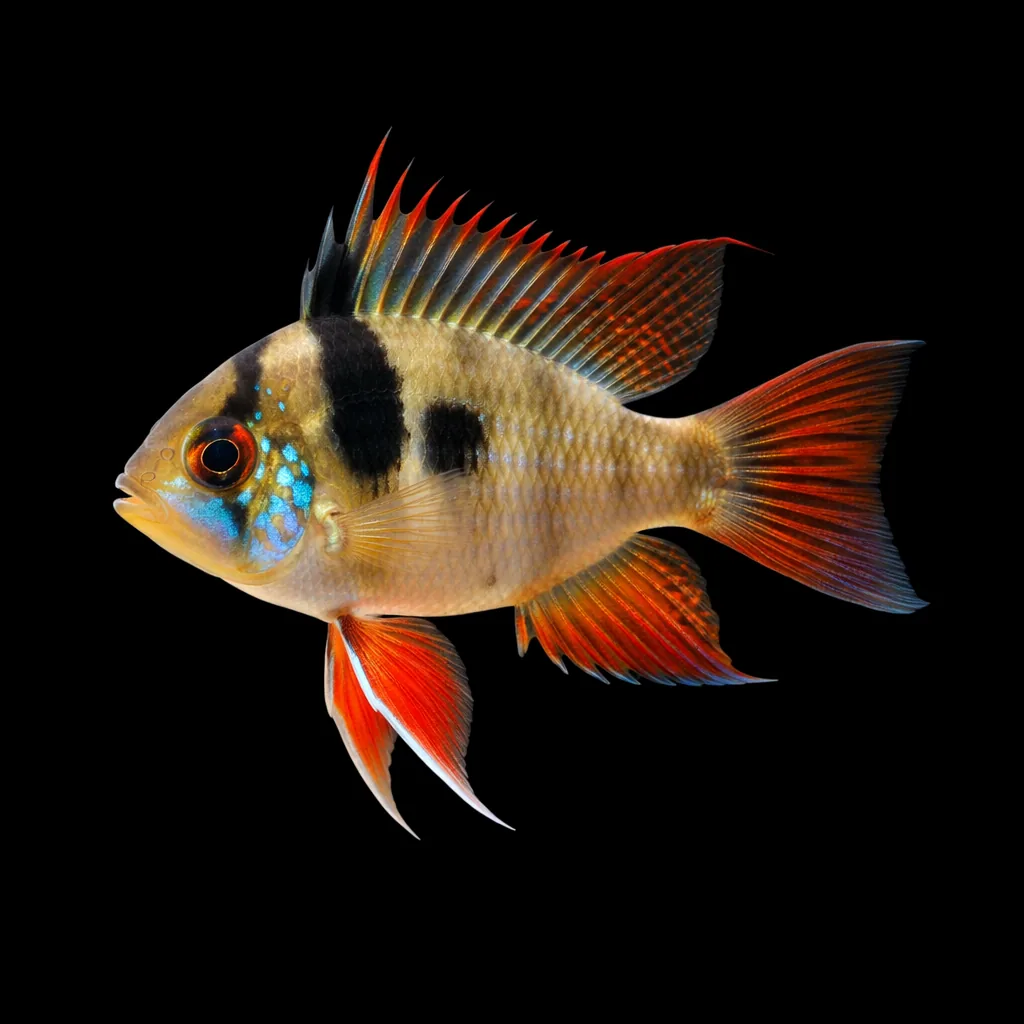
Bolivian Ram
Mikrogeophagus altispinosus
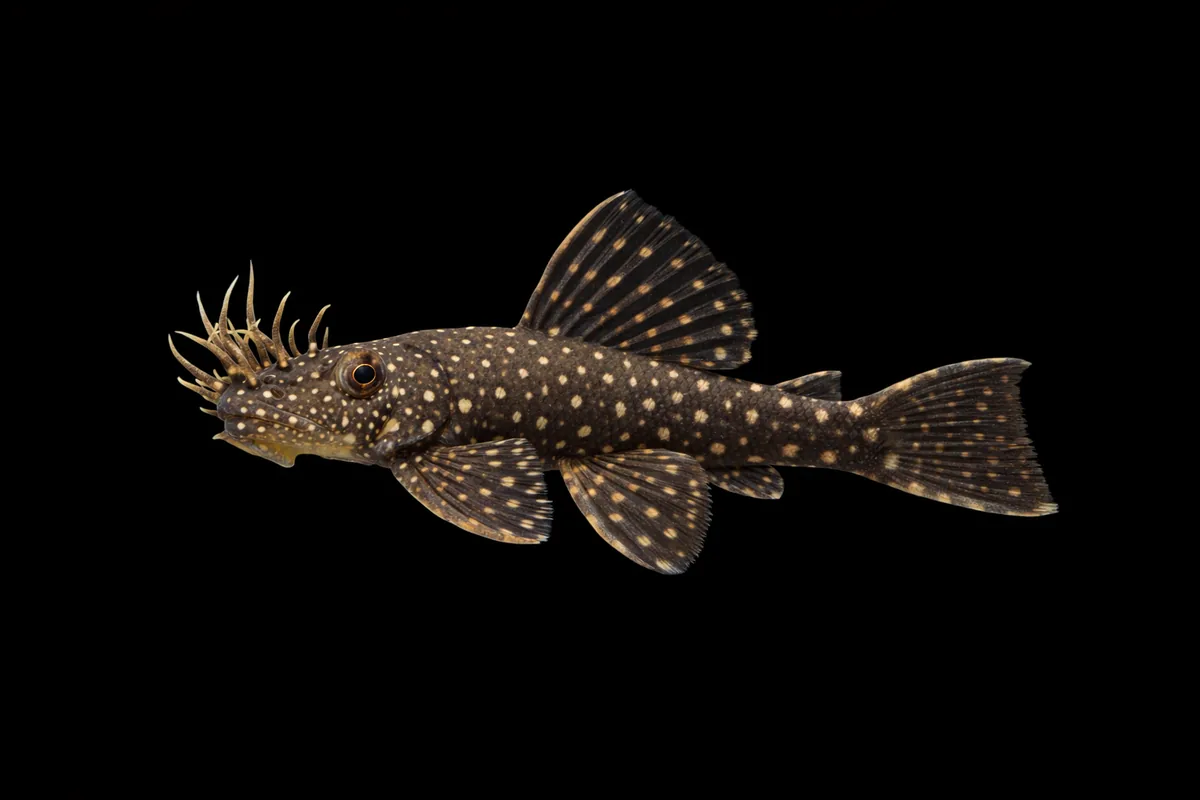
Bristlenose Pleco
Ancistrus cf. cirrhosus
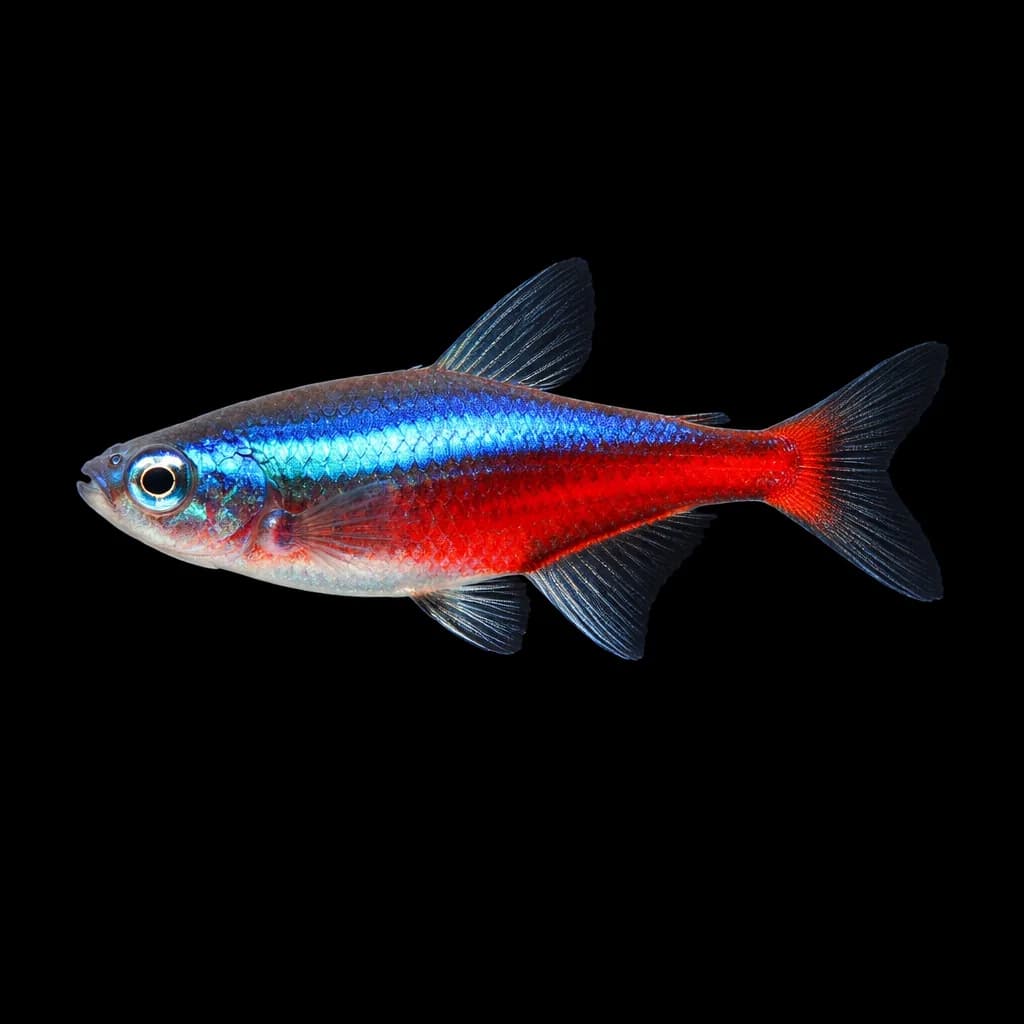
Cardinal Tetra
Paracheirodon axelrodi
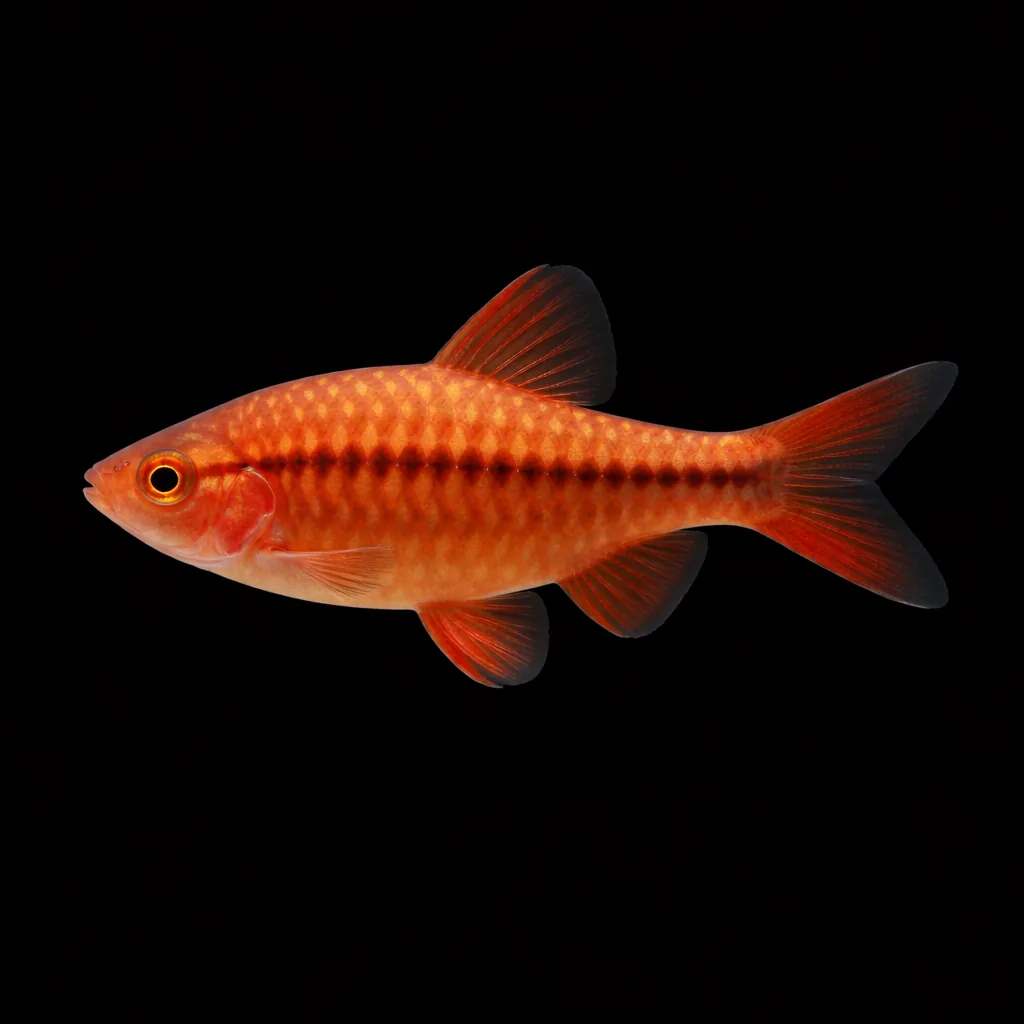
Cherry Barb
Pethia titteya
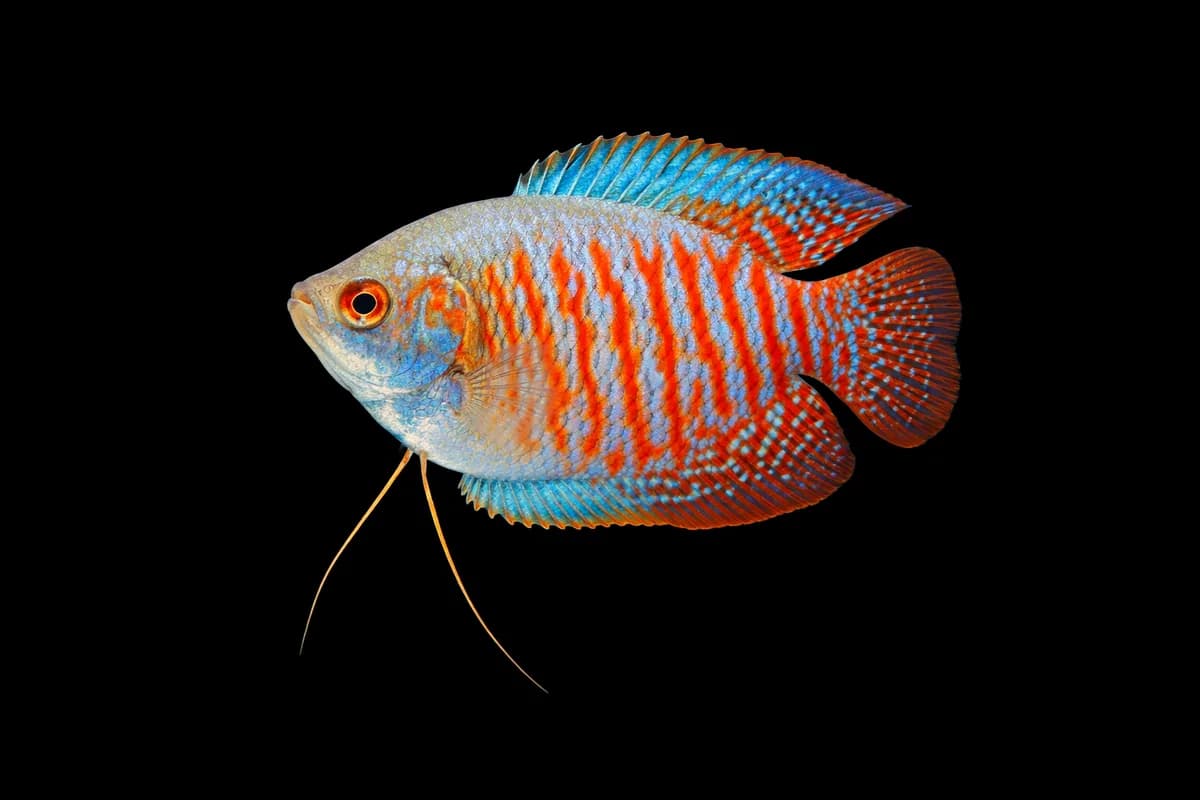
Dwarf Gourami
Trichogaster lalius
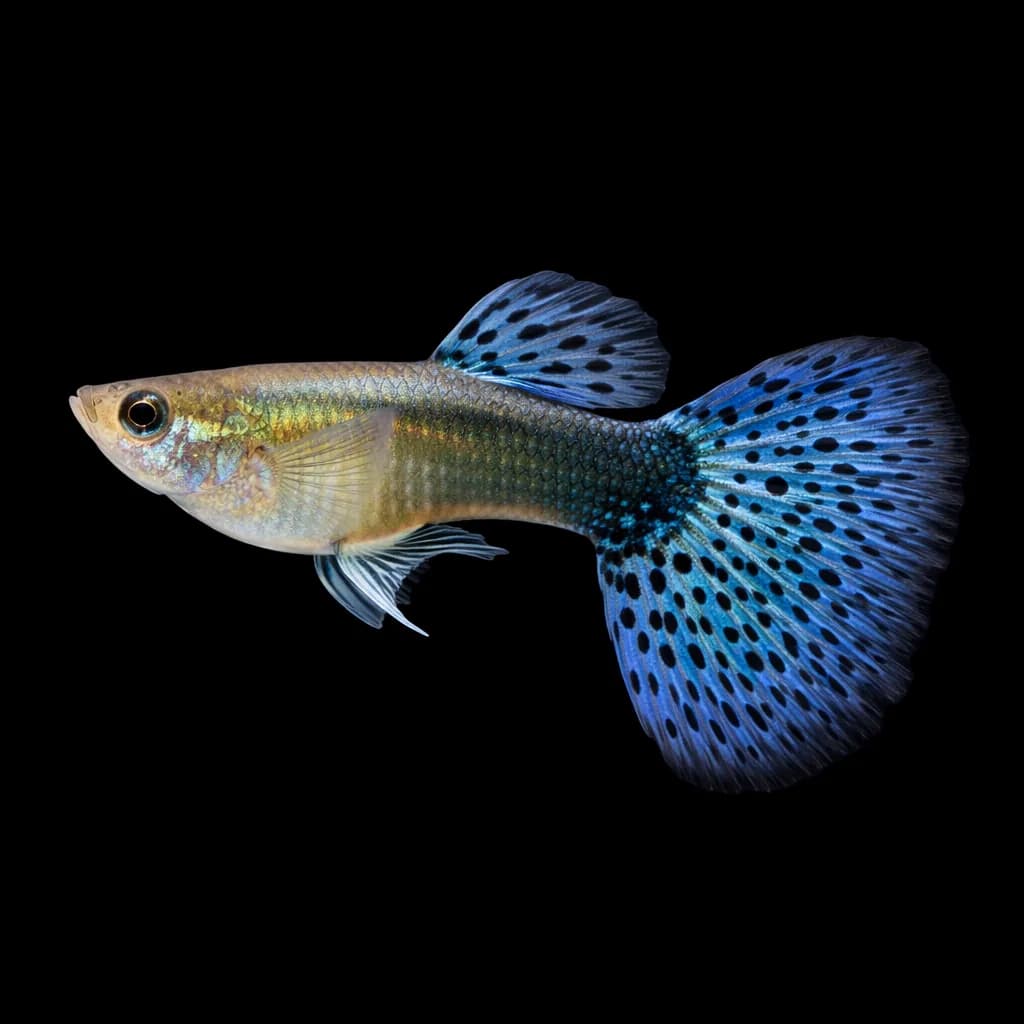
Guppy
Poecilia reticulata
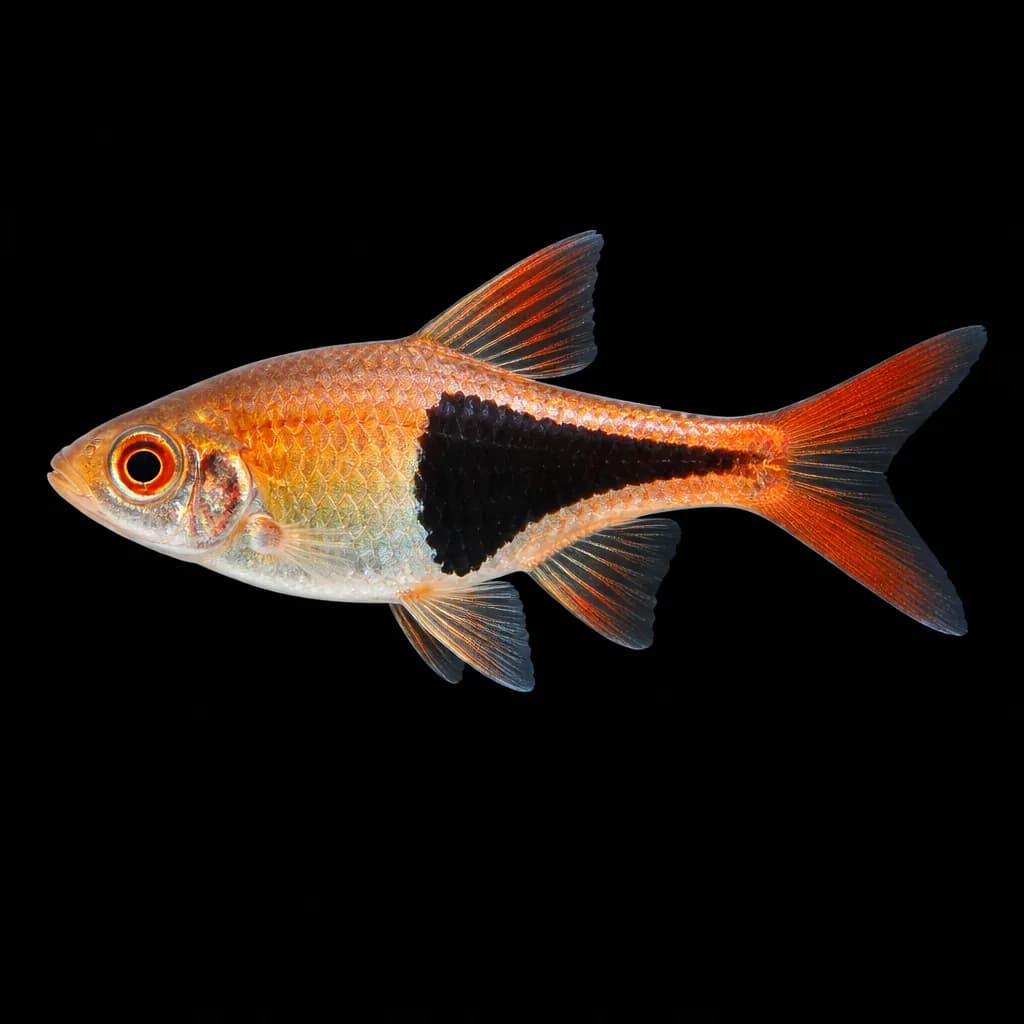
Harlequin Rasbora
Trigonostigma heteromorpha
🐠
Kuhli Loach
Pangio kuhlii
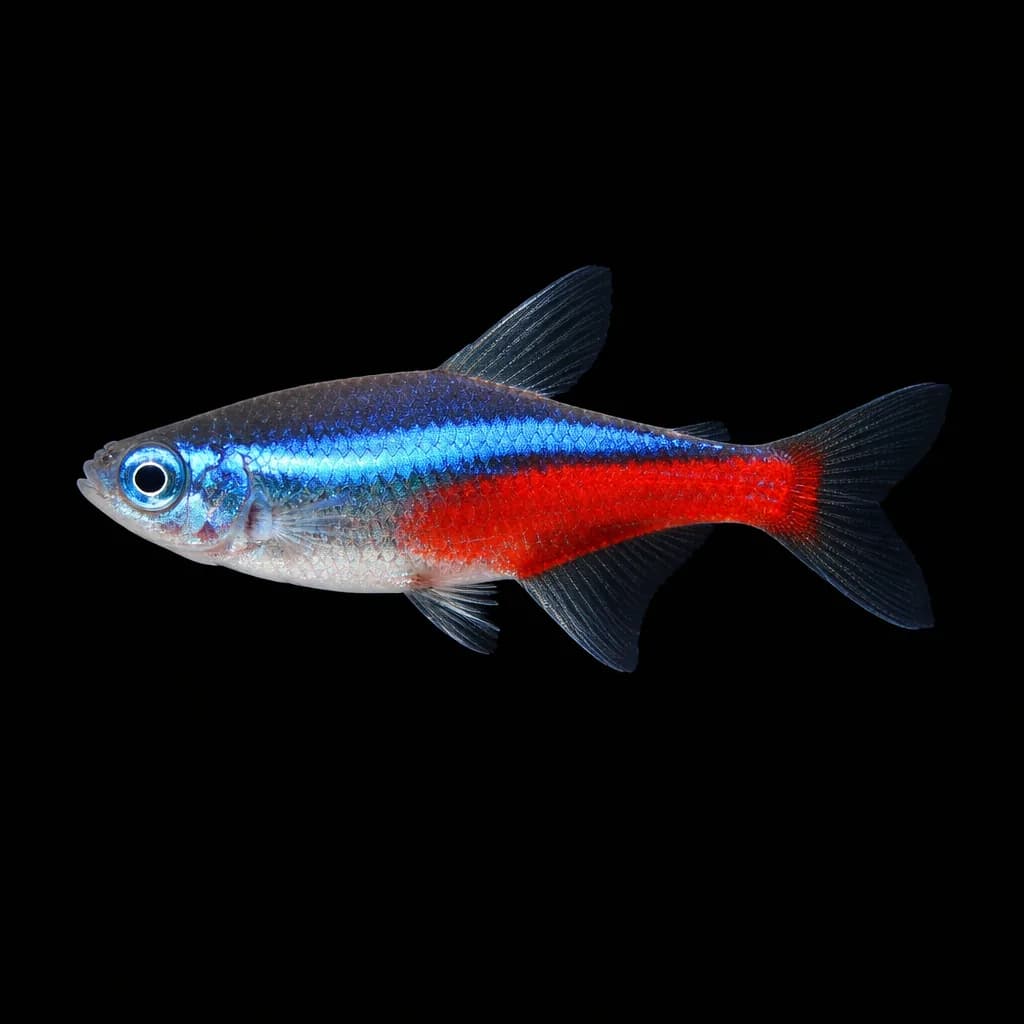
Neon Tetra
Paracheirodon innesi
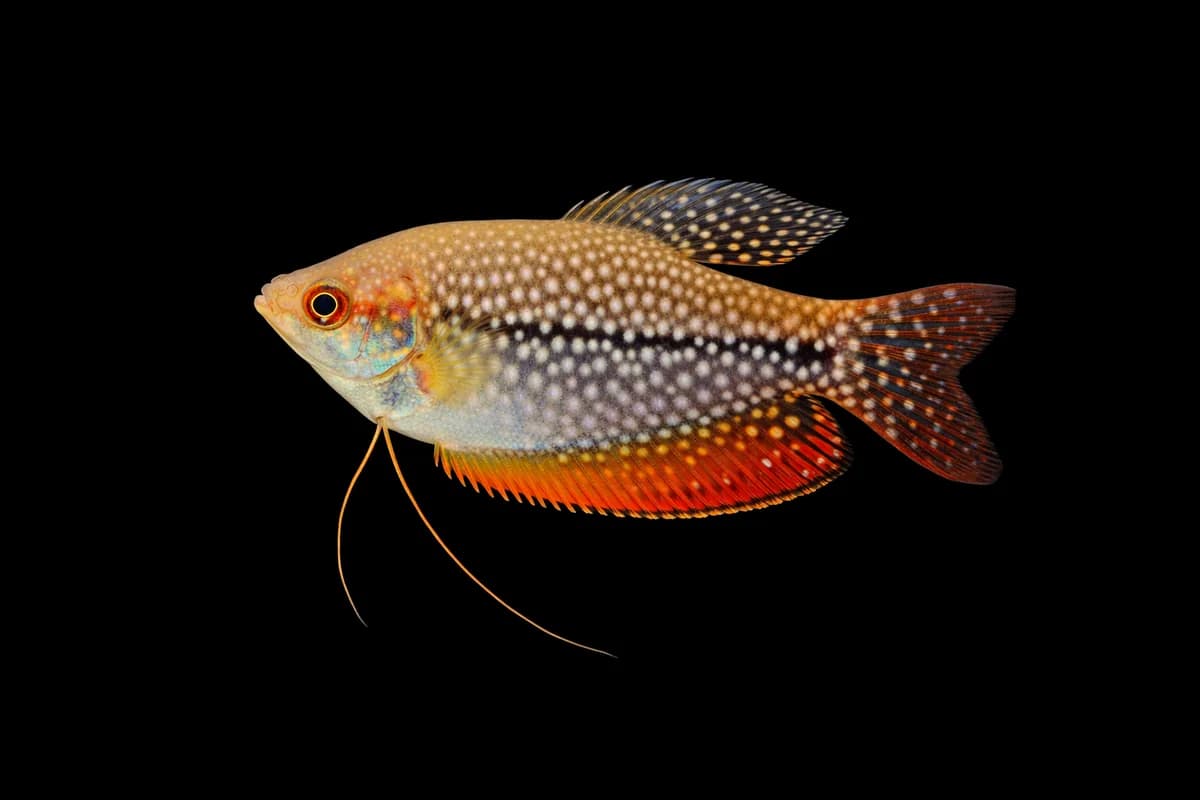
Pearl Gourami
Trichopodus leerii
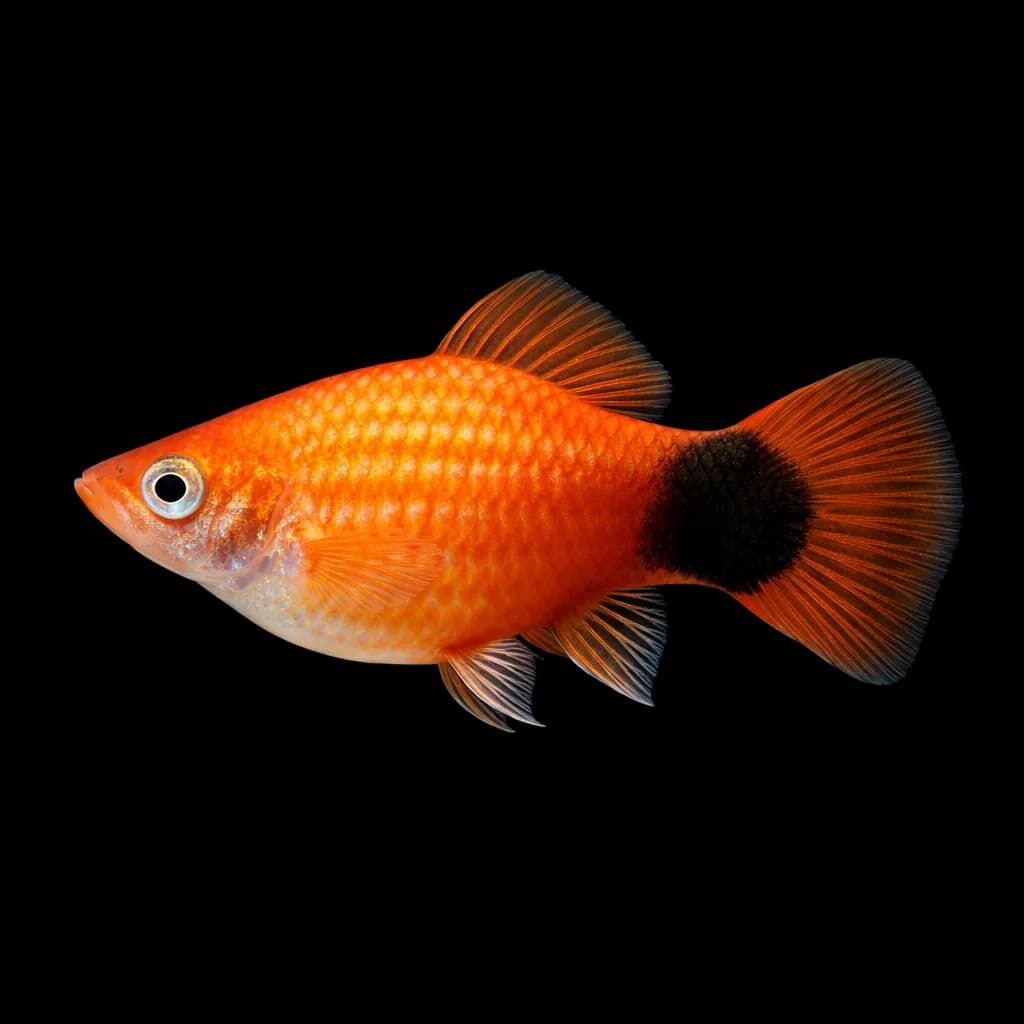
Platy
Xiphophorus maculatus
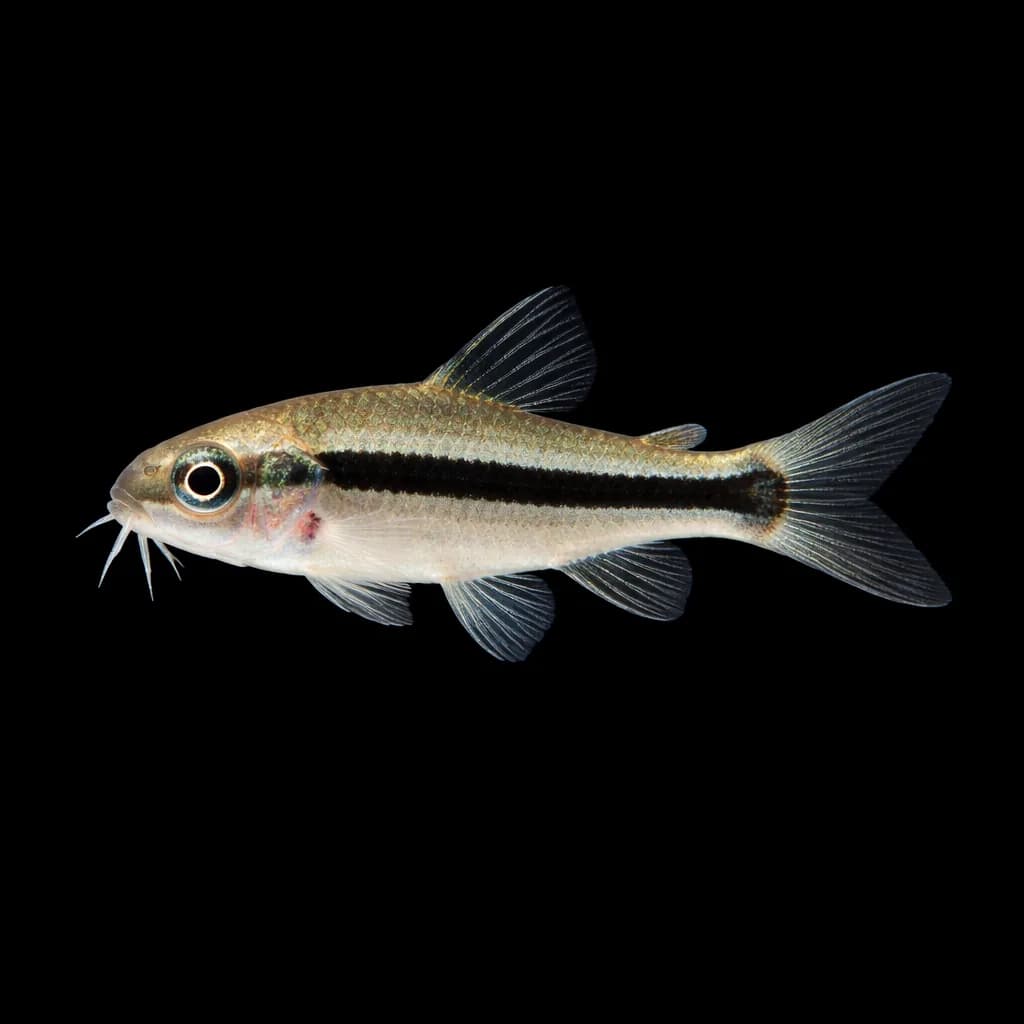
Pygmy Corydoras
Corydoras pygmaeus
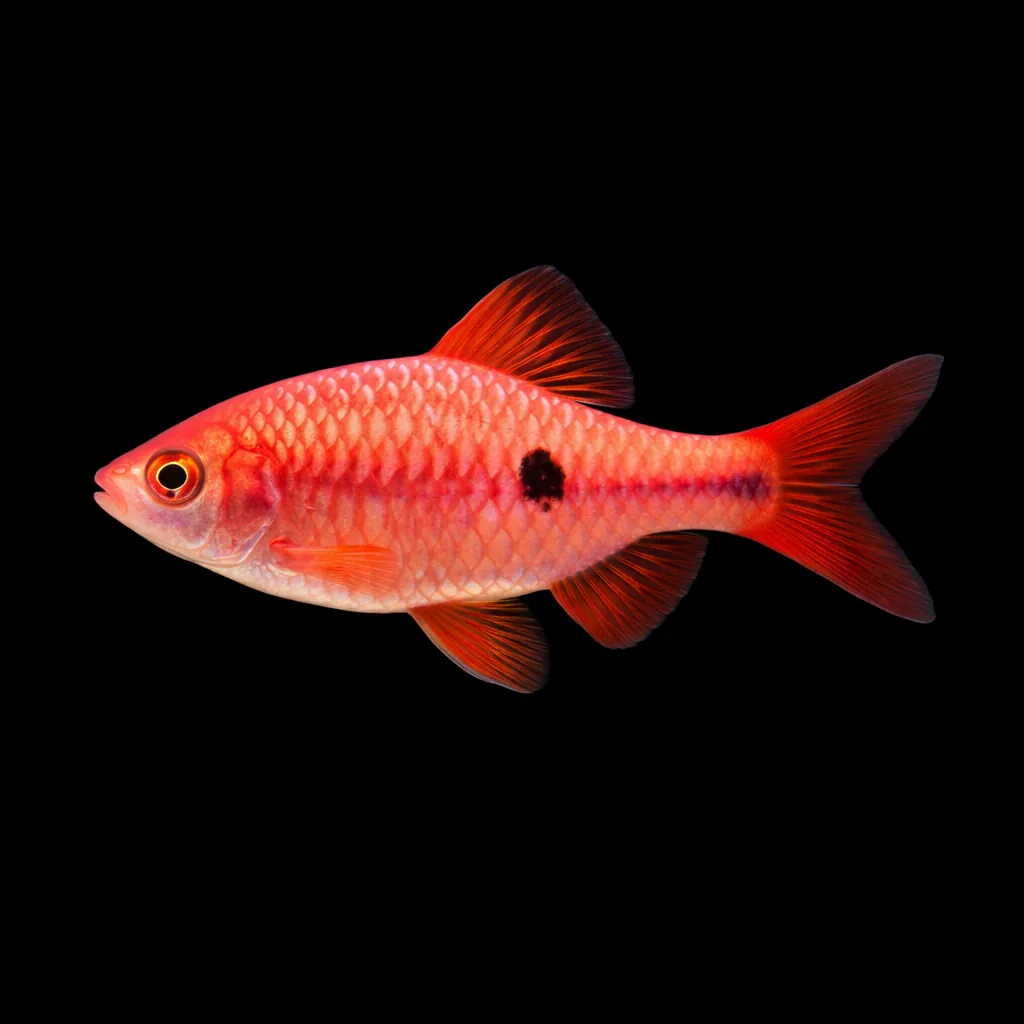
Rosy Barb
Pethia conchonius
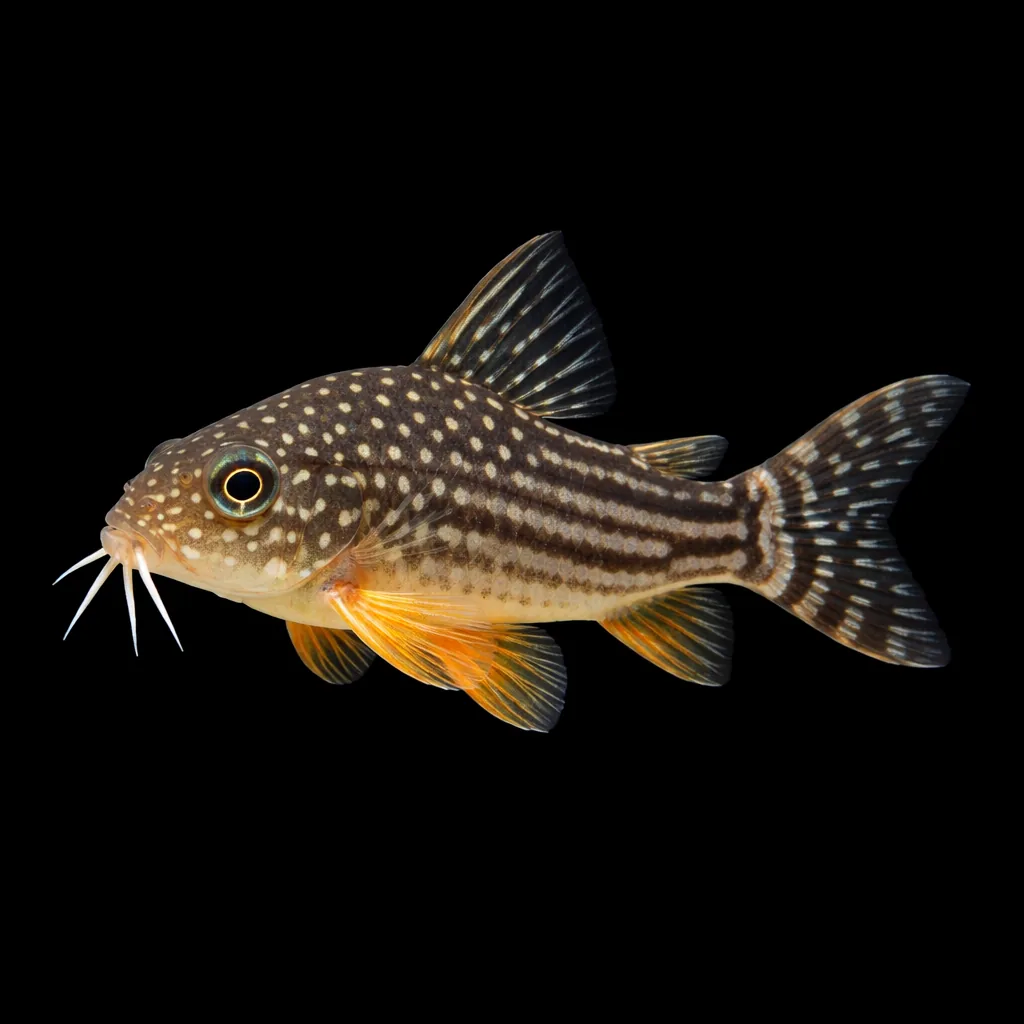
Sterbai Corydoras
Corydoras sterbai
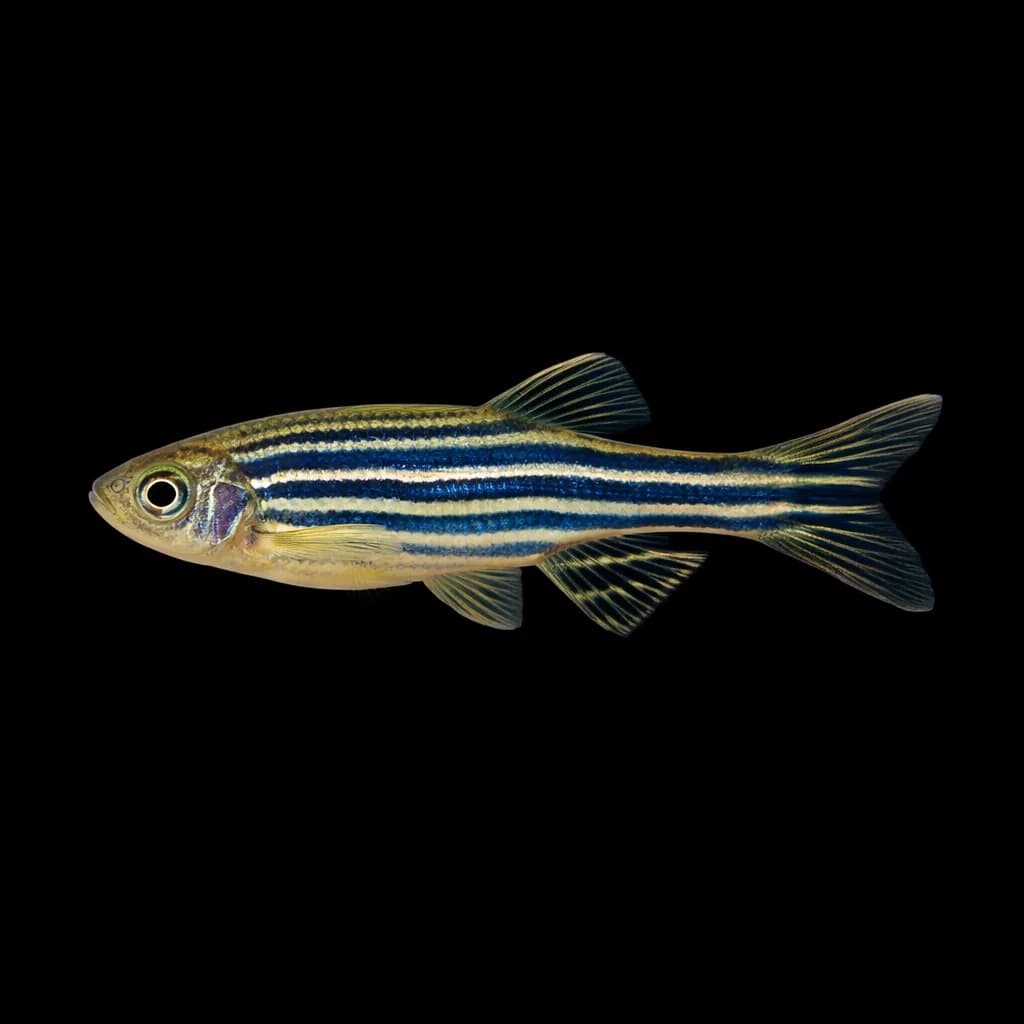
Zebra Danio
Danio rerio
Similar Corydoras Fish
Comments
Signed-in members only. New posts are moderated before everyone can see them — you'll always see your own while they're pending.
Loading…
Loading…