← Back to Pleco
freshwaterPleco
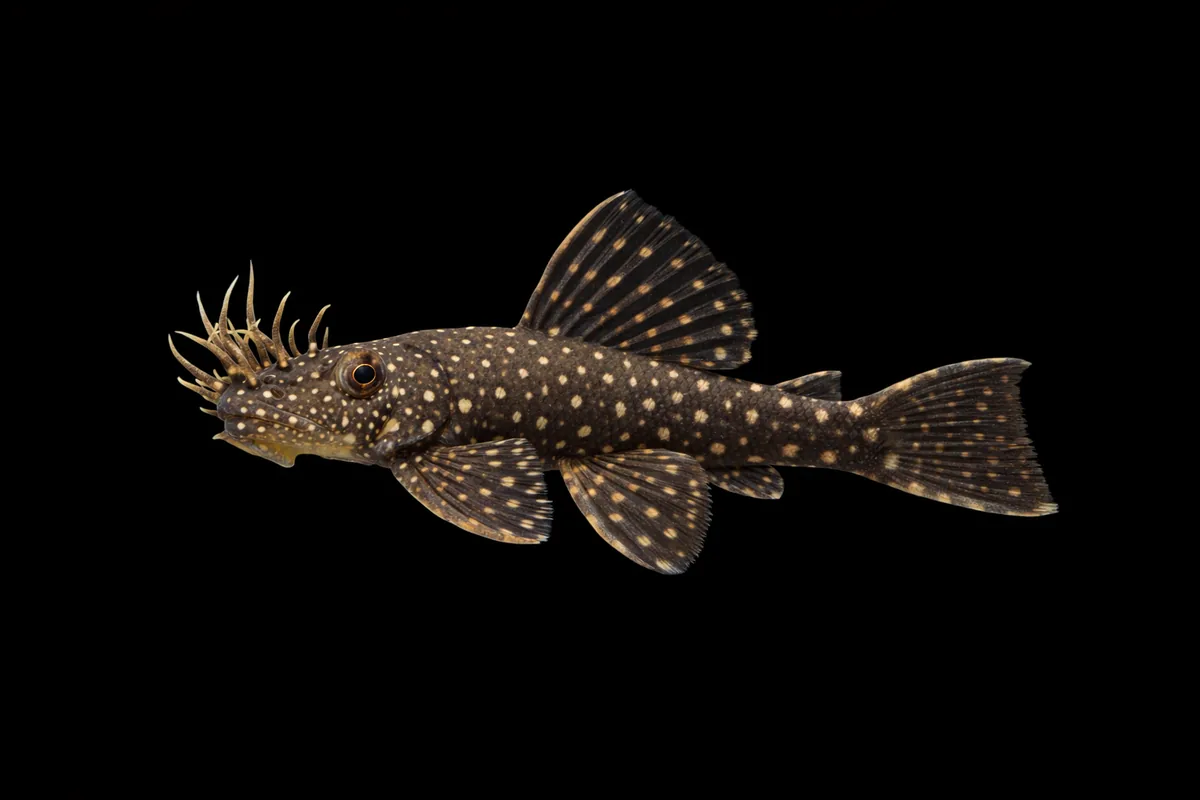
Ancistrus cf. cirrhosus
Also known as: Bristlenose Pleco, Bushynose Pleco
BeginnerPeacefulOmnivore
About
The bristlenose pleco is one of the most popular small loricariids: adults stay manageable compared to common plecs and are widely bred in captivity. Mature males develop fleshy tentacles on the snout. They graze algae, aufwuchs, and biofilm and benefit from driftwood and stable water quality. Generally peaceful toward tankmates but males may squabble over caves; provide multiple hiding spots and a mature tank with surfaces to browse.
Feeding & Diet
Algae wafers, sinking herbivore pellets, blanched vegetables; supplement with occasional protein (frozen invert foods) for breeding condition.
Frequency: Daily
Do not rely on algae alone—offer varied sinking foods so fish do not starve in very clean tanks.
Habitat
Native Region: South America (Amazon and Orinoco basins—trade stock often line-bred)
Leafy streams and flooded zones with wood and moderate flow.
Driftwood for grazing; rounded rocks and caves; good filtration and regular water changes.
Behavior
Activity Level: Moderate
Mostly nocturnal or crepuscular; hides by day unless well settled. Territorial with similar plecos over best caves.
Breeding
Difficulty: Moderate
Type: Cave spawner
Sexual Dimorphism: Males develop bristles on snout; females rounder when gravid.
Male guards eggs in cave or tube; remove other plecos if eggs are eaten; soft acidic water often used for spawning.
Tank Setup
Substrate: Either
Plant Safe: Yes
Driftwood essential; PVC or ceramic caves for breeding.
Your tanks
Add this species to a saved tank stocking list.
Care Requirements
Family
Loricariidae
Genus
Ancistrus
Maximum Size
13 cm
Minimum Tank Size
75 liters
Temperature
23-27°C
pH Range
6.2-7.8
Tank Region
Bottom
Lifespan
10–15 years
Growth Rate
Moderate
Activity Level
Moderate
Breeding Difficulty
Moderate
Breeding Type
Cave spawner
Native Region
South America (Amazon and Orinoco basins—trade stock often line-bred)
Substrate
Either
Plant Safe
Yes
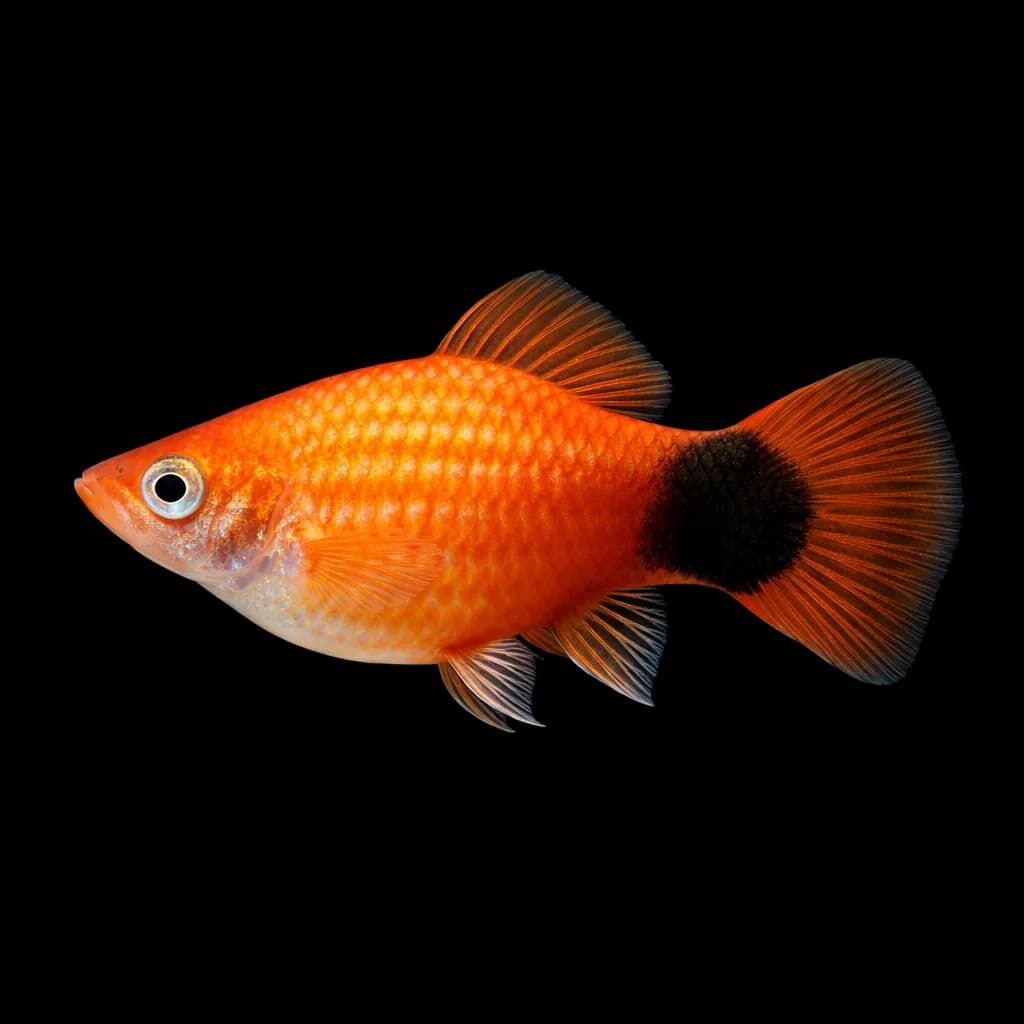
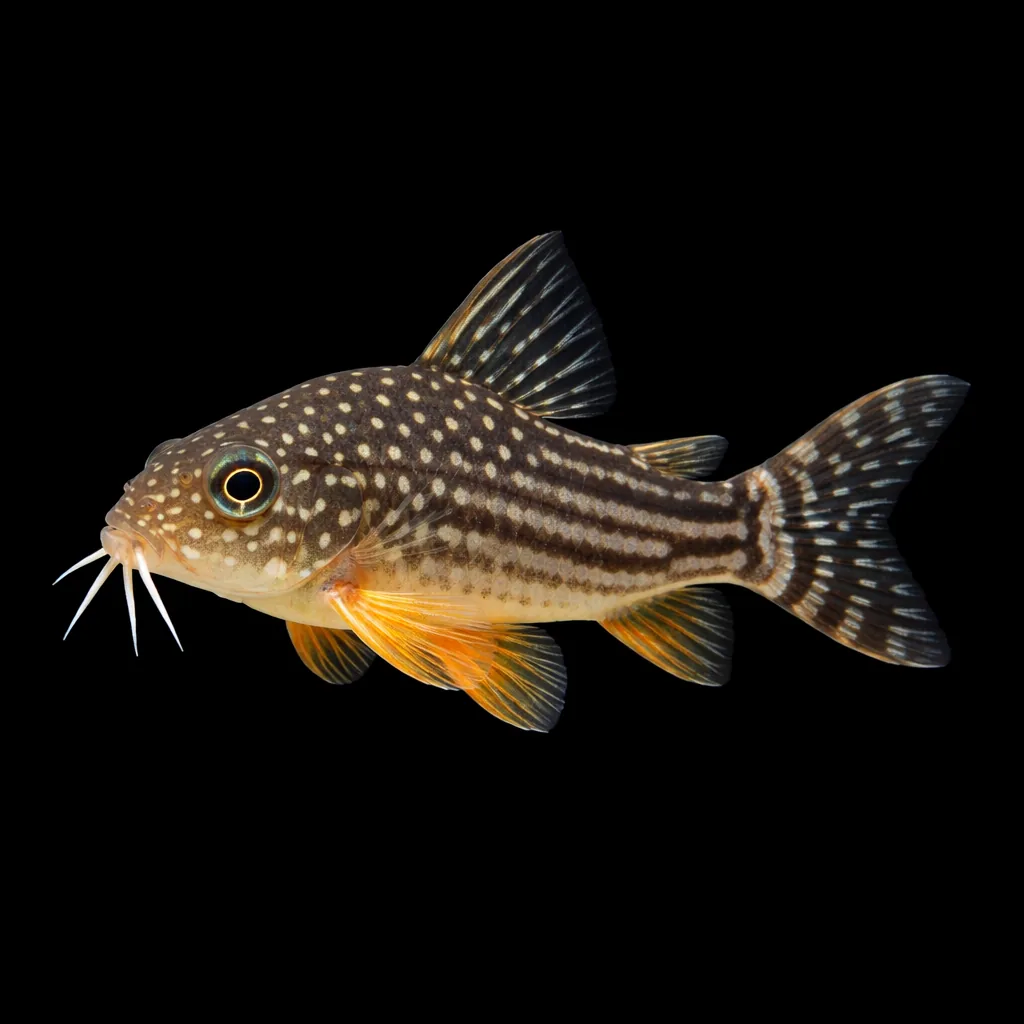
Good Tank Mates for Bristlenose Pleco
These species are known to coexist peacefully and share compatible water conditions.
Similar Pleco Fish
Comments
Signed-in members only. New posts are moderated before everyone can see them — you'll always see your own while they're pending.
Loading…
Loading…